



Towards a new perspective for small islands in Sweden
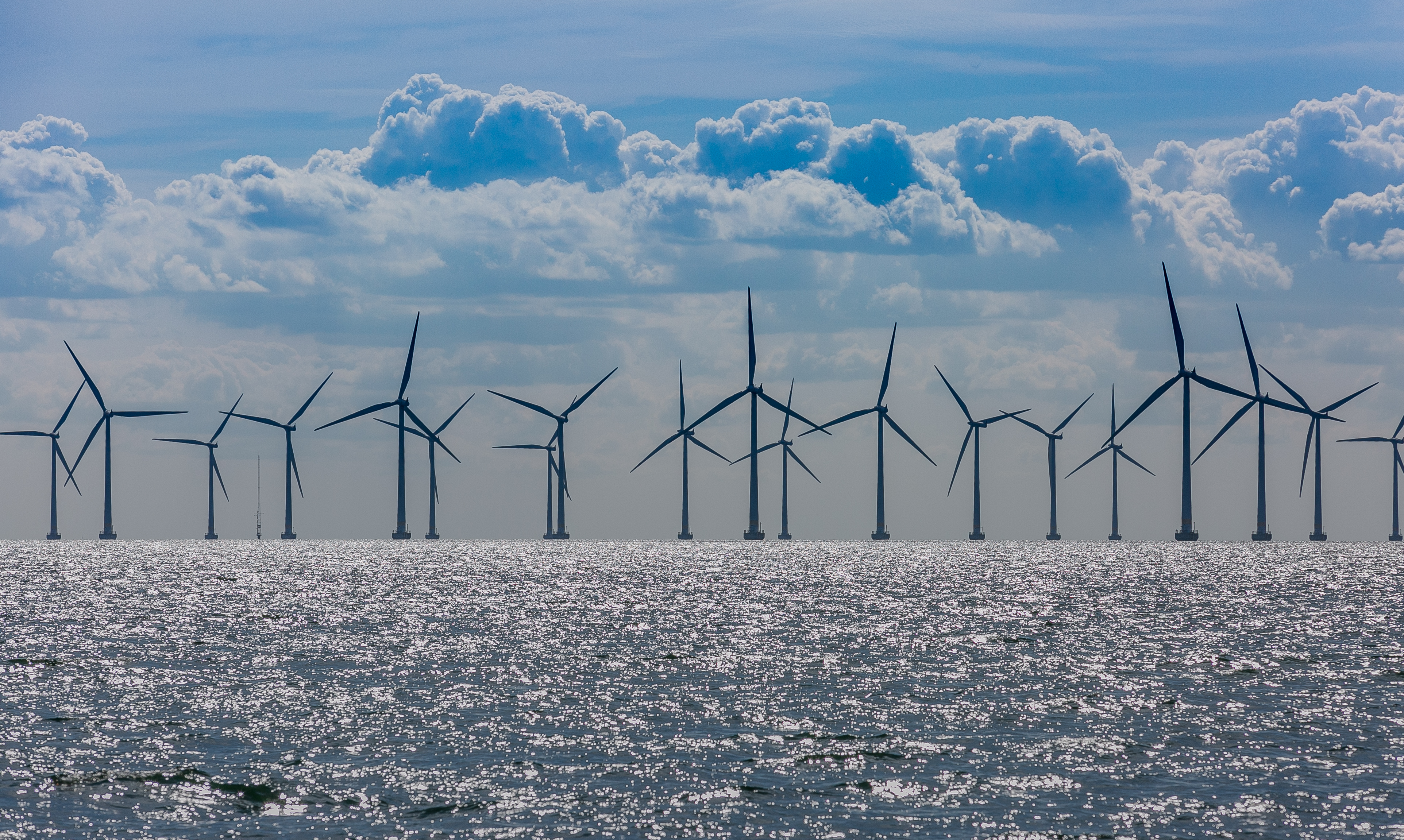
Archipelago and small islands are geographical areas with many special characteristics that require special policy response. A limited island area needs to be shared between different interests, functions and activities, while transport to and from the islands is both time-consuming and costly. Challenges regarding housing supply, energy production, aquaculture, nature conservation and more must be addressed to ensure sustainable development in these parts of Sweden.
[HOUSE4ALL] Access to affordable and quality housing for all people
Scope
Presently, Europe is dealing with a housing crisis because more and more people are finding it hard to afford the increasing costs of housing. This is especially true in big cities where many people are facing challenges. In EU, the prices of houses have gone up over the past few decades, faster than people's incomes. For Europeans, more than 40% of their money goes towards housing costs. The COVID-19 pandemic and the war in Ukraine have made things worse, and in the short and medium term, there might be more housing insecurity and economic problems.
[Nostageo] - Territorial governance of non-standard geographies -
Different types of functional areas may be identified across European territory, serving the purpose of having a better place-based policy design, delivery and evaluation, while being based on relevant statistical evidence.
Vibrant, Resilient, Well-connected – The Baltic Sea Region in 2040
The Expert’s Conference will celebrate the completion of the VASAB Vision 2040. Experts in the field of spatial planning and regional development will come together to discuss what the VASAB Vision means for the Baltic Sea Region and how each of us can contribute to making it a reality.
The event will take place back-to-back with the adoption of the Vision 2040 by the Ministers responsible for spatial planning and development in the VASAB countries of the Baltic Sea Region on 2 June 2023.
ESPON supporting policy-making and research in green transition - evidence from research by Estonian partners
An online seminar that will present ESPON evidence from research projects where Estonian partners have been involved, such as QGasp (Quantitative Greenhouse Gas Impact Assessment Method for Spatial Planning Policy) and LAKES (Territorial analysis of spatial progress and integrated development opportunities of large lakes in Europe). The seminar will also introduce the relevant ESPON 2030 TAP and the new research projects.
Date and time: March 24th, 10.00 - 12.00 Tallinn time
[TERRES] Territorialising Resilience: Transforming Europe for an Age of Crisis
Similar to the aftermath of the global financial crisis between 2008 and 2014, the concept of ‘resilience’ has re-emerged in recent years has a high profile concept within European Union (EU) policy discourses, particularly in the context of the COVID-19 pandemic which exposed the fragility of supply chains and a lack of resilience in many economic sectors and territories; the geopolitical shock and energy instability as a consequence of the war in Ukraine; and, of course, the overarching challenge of climate change and biodiversity collapse.
