Trajektorie nulového čistého záboru půdy
V měsíci květnu byl dokončen překlad publikace Trajektorie nulového čistého záboru půdy, která vznikla jako výstup z belgického předsednictví v Radě EU.
Dokument obsahuje přístupy jednotlivých evropských zemí k nulovému čistému záboru půdy (NNLT), zabývá se operativní definicí NNLT a nabízí politická doporučení, jak přispět ke snížení záboru půdy.

[READAPT] - Re-Naturing Territorial Development for Climate Risk Adaptation
The Re-Naturing Territorial Development for Climate Risk Adaptation (ReAdapt) project is a European Research Project that aims to strengthen territorial climate adaptation strategies by integrating Nature-based Solutions (NbS) into regional and local governance. Climate change is already having significant spatially uneven impacts across Europe, affecting ecosystems, economies and communities.
[GILL] – Methodology for Quantifying the Demand for Green Infrastructure at Local Level
The goal of this targeted analysis project is to develop a standardised methodology to measure green infrastructure demand at the local level, facilitating data-driven urban planning and policy decisions. The analysis will provide evidence-based tools to help municipalities justify investments in green infrastructure that align with EU policies, such as the Biodiversity Strategy 2030 and Nature Restoration Law, and support funding applications for climate adaptation and sustainability projects. The project is structured into five key tasks:
A tool for improving land use: RUDIFUN
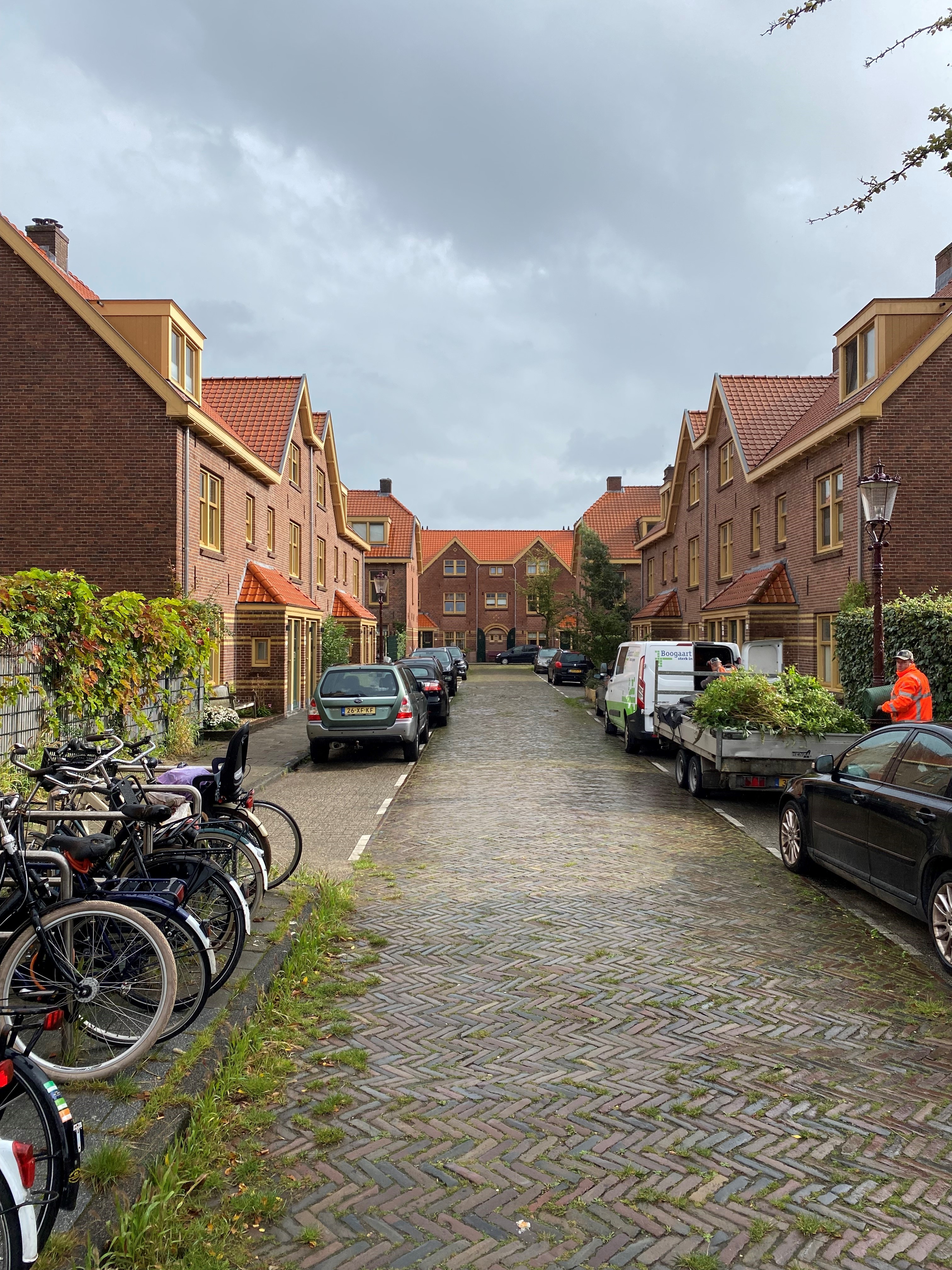
What is the building density in your neighbourhood? And how does it compare to other neighbourhoods? How can territorial evidence about building densities contribute to the ambitions of No Net Land Take?
PBL Netherlands Environmental Assessment Agency has made a data set for comparing building densities nationwide and for conducting research on how building density influences various aspects of urban life, such as energy consumption, mobility, climate adaptation, and public health.
[COREIB] - Collecting and analysing data for the post-27 INTERREG
In 2023, the European Commission (DG REGIO) launched a structured debate on the future orientation of European Territorial Cooperation (Interreg) as part of the post-2027 Cohesion Policy. This dialogue emphasises the importance of strengthening the spatial evidence base and ensuring that Interreg projects target those areas where cooperation can generate the greatest European added value. Setting strategic objectives for cross-border cooperation beyond 2027 is therefore a crucial step in shaping the future of European spatial development.
Sustainable urbanisation. Beautiful, sustainable and inclusive cities
The Institute for Spatial Development, in cooperation with the Ministry of Regional Development, is organizing a national seminar entitled Sustainable Urbanisation. Beautiful, Sustainable and Inclusive Cities.
No net land take: policies and practices in European regions -Final Report
In different European countries, the objective of reducing the artificial use of land is already reflected in land use regulations in very different ways. In some countries, national policies to limit land take have given rise to debates rarely encountered by those involved in urban planning[1], involving charges and counter-charges like favouring "attacks on the countryside", the "race to unbearable densities" or the "inability to meet the needs of industry".

[NNLT] No net land take – policies and practices in European regions
Strategic Autonomy Rules for Trade in European Regions (STARTER)
The objective of this European research project is to conduct an analysis of the regional effects arising from scenarios related to Open Strategic Autonomy. This includes examining the impact of diversification benchmarks for strategic raw materials outlined in the European Union's Critical Raw Minerals Act. The project also aims to assess the regional effects resulting from concessions in Free Trade Agreements, specifically those contributing to diversification targets for strategic raw materials.